
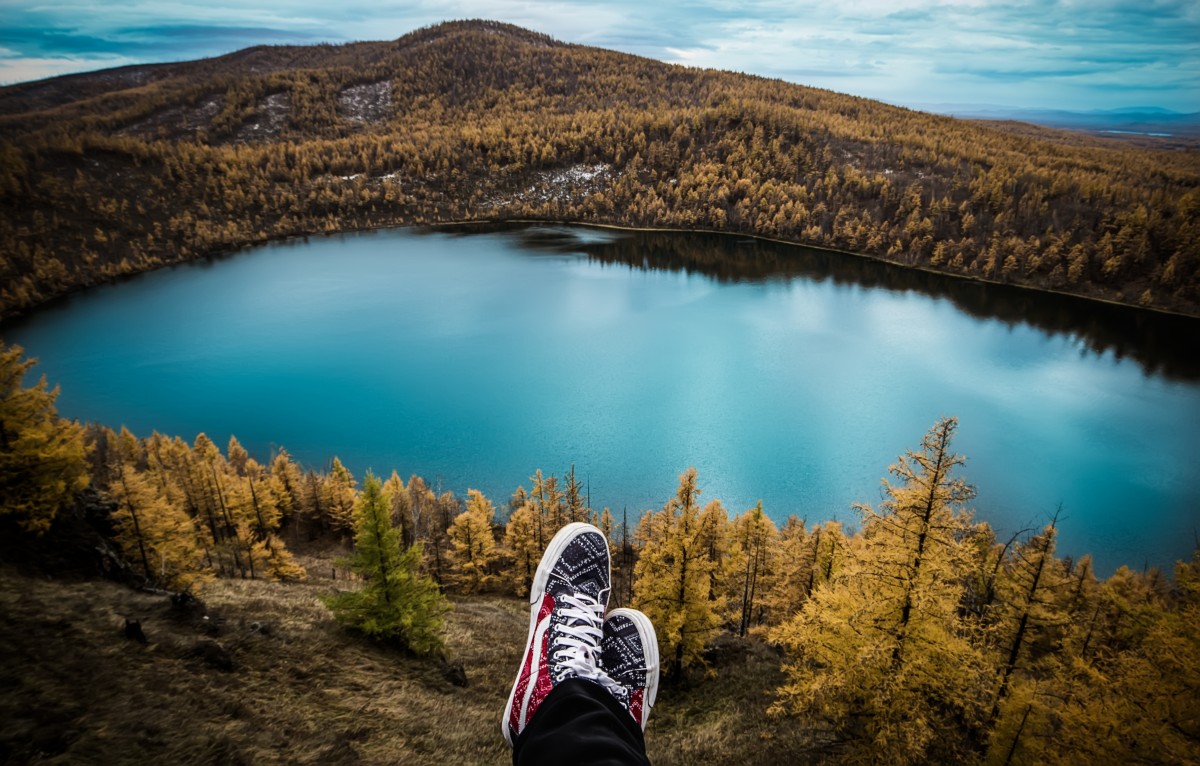

New Zealand is a dream destination for backpackers, offering dramatic mountain ranges, crystal-clear lakes, rugged coastlines, lush forests, and some of the world’s most scenic hiking trails. Whether you’re exploring the geothermal landscapes of the North Island or the breathtaking fjords of the South Island, the country promises unforgettable adventures at every turn.
Although New Zealand has a reputation for being an expensive destination, backpacking here doesn’t have to cost a fortune. With thoughtful planning, flexible travel dates, and a few money-saving strategies, you can experience the country’s incredible natural beauty while staying within your budget.
From affordable accommodation and low-cost transportation to free outdoor adventures, this guide covers practical tips that will help you make the most of your New Zealand backpacking journey without overspending.
1. Travel During the Shoulder or Off-Season
One of the easiest ways to reduce travel expenses is by visiting New Zealand outside its busiest tourist season.
The summer months (December to February) attract the largest number of visitors, resulting in higher prices for flights, accommodation, and popular attractions. If your schedule allows, consider traveling during the shoulder seasons (March to May or September to November) when the weather remains pleasant but crowds are significantly smaller.
Winter (June to August) can also be a budget-friendly time to visit, particularly if you’re not planning a ski holiday. Many destinations offer discounted accommodation and quieter attractions during this period.
Benefits of off-season travel:
- Lower airfare
- More affordable accommodation
- Smaller crowds
- Better availability for popular attractions
2. Choose Budget-Friendly Accommodation
Accommodation is often one of the largest expenses during any backpacking trip, but New Zealand offers plenty of affordable options.
Hostels
Hostels are ideal for solo travelers and backpackers. Many provide dormitory-style rooms, communal kitchens, laundry facilities, and common areas where you can meet fellow travelers.
Camping and Campervans
If you enjoy spending time outdoors, camping is one of the most economical ways to travel around New Zealand. Numerous low-cost and free campsites are available throughout the country.
Useful resources include:
- Rankers Camping NZ App
- Department of Conservation (DOC) Campsites
Couchsurfing
Couchsurfing allows travelers to stay with local hosts at no cost while gaining valuable cultural experiences and local travel recommendations.
Work Exchange Programs
Many farms, hostels, vineyards, and eco-lodges provide free accommodation—and sometimes meals—in exchange for a few hours of work each day through programs like WWOOF or Workaway.
3. Save Money on Transportation
New Zealand’s spectacular scenery makes every journey memorable, but transportation costs can add up quickly. Fortunately, there are several affordable ways to travel.
Long-Distance Buses
Companies such as InterCity provide extensive nationwide routes and often offer discounted travel passes for backpackers.
Ride Sharing
Joining Facebook travel groups or using local ride-sharing communities is a great way to split fuel costs while meeting other travelers.
Campervan Travel
Hiring a campervan combines transportation and accommodation into one expense, making it a popular option for longer road trips.
Hitchhiking
Hitchhiking is legal in New Zealand and is generally considered safe in many regions when practiced responsibly. Many backpackers successfully use this option, particularly on well-traveled routes.
4. Keep Food Costs Under Control
Dining out for every meal can quickly increase your travel budget. Fortunately, there are plenty of simple ways to save money while still enjoying New Zealand’s excellent local produce.
Cook Your Own Meals
Most hostels provide fully equipped communal kitchens where you can prepare affordable meals using groceries purchased from supermarkets.
Visit Farmers’ Markets
Local markets offer fresh produce, baked goods, and inexpensive meals while giving you an opportunity to support regional businesses.
Carry a Reusable Water Bottle
New Zealand’s tap water is clean and safe to drink in most areas, allowing you to refill your bottle instead of purchasing bottled water.
Limit Restaurant Visits
Save restaurants for occasional treats and enjoy casual picnics in scenic parks, beaches, or lakeside locations instead.
5. Enjoy New Zealand’s Incredible Free Attractions
One of the biggest advantages of visiting New Zealand is that many of its best experiences cost absolutely nothing.
Hiking Trails
The country is home to world-famous walking tracks, including:
- Tongariro Alpine Crossing
- Hooker Valley Track
- Abel Tasman Coastal Track
- Roys Peak Track
- Mount Maunganui Summit Walk
Beaches and Lakes
Relax at spectacular natural destinations such as:
- Cathedral Cove
- Piha Beach
- Lake Tekapo
- Lake Pukaki
- Mount Maunganui Beach
Free Museums and Gardens
Many cities offer free attractions, including:
- Museum of New Zealand Te Papa Tongarewa (Wellington)
- Queenstown Gardens
- Christchurch Botanic Gardens
- Auckland Domain
Wildlife Watching
You don’t always need an expensive guided tour to experience New Zealand’s incredible wildlife. Coastal areas such as Kaikōura, Otago Peninsula, and parts of Stewart Island provide excellent opportunities to spot seals, penguins, dolphins, and native seabirds in their natural habitats.
Bonus Budget Tips for Backpackers
Want to stretch your budget even further? Here are a few extra tips:
- Book flights several months in advance for the best fares.
- Pack lightweight hiking gear to avoid airline baggage fees.
- Download offline maps before heading into remote areas.
- Buy a local SIM card for affordable mobile data.
- Travel with a reusable shopping bag and food container to reduce daily expenses.
- Use supermarket loyalty programs for additional discounts.
- Split accommodation and fuel costs when traveling with friends.
Essential Packing List
Before starting your New Zealand backpacking adventure, consider bringing:
- Waterproof jacket
- Comfortable hiking boots
- Lightweight backpack
- Reusable water bottle
- Portable power bank
- Travel towel
- Universal power adapter
- Basic first-aid kit
- Sunscreen and insect repellent
The weather can change rapidly, especially in mountainous regions, so dressing in layers is always recommended.
Final Thoughts
Backpacking through New Zealand doesn’t have to be expensive. By choosing affordable accommodation, traveling during quieter seasons, using budget-friendly transportation, preparing your own meals, and taking advantage of the country’s incredible free attractions, you can enjoy an unforgettable adventure without exceeding your budget.
Whether you’re hiking through alpine landscapes, relaxing beside turquoise lakes, exploring vibrant cities, or meeting fellow travelers from around the world, New Zealand offers experiences that are well worth every mile of the journey.
With careful planning and a spirit of adventure, you’ll discover that some of the country’s most memorable experiences—watching a sunset over a mountain range, hiking to a glacier, or camping beneath a sky full of stars—don’t cost anything at all.