
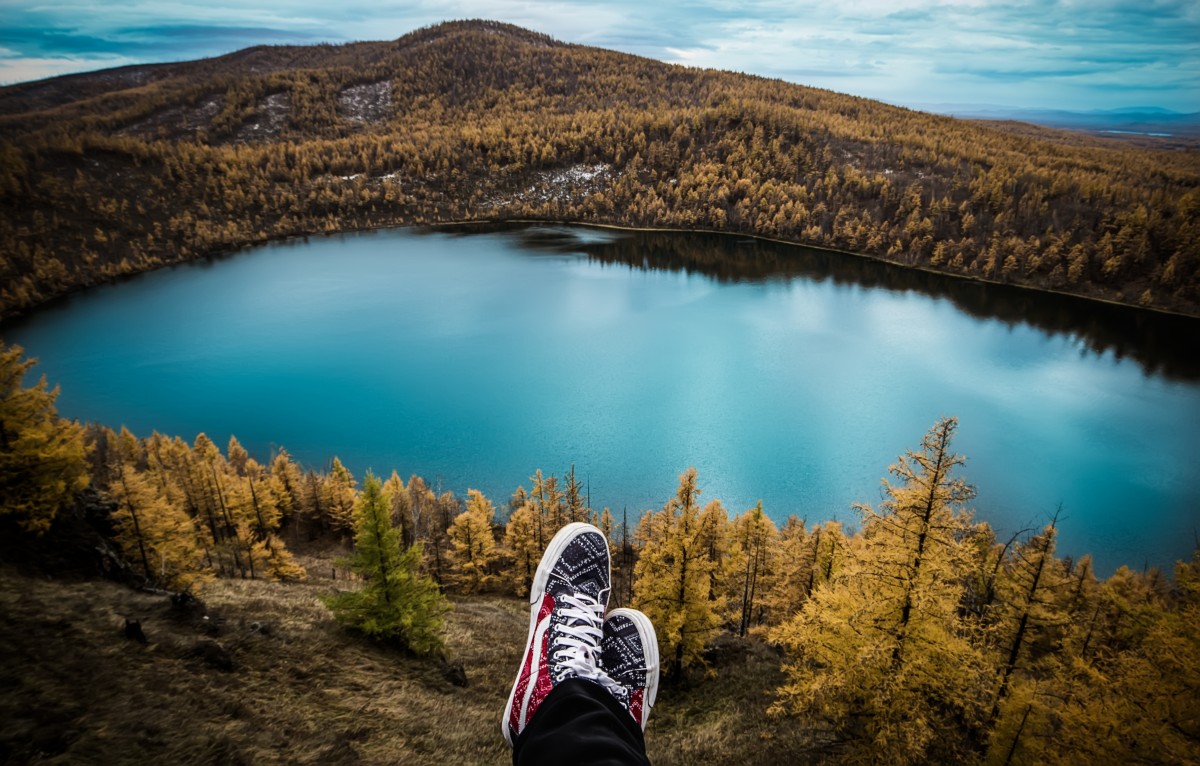

Hiking is much more than simply walking through forests or climbing mountains—it’s an opportunity to disconnect from daily routines, reconnect with nature, and challenge yourself both physically and mentally. Whether you’re exploring a scenic national park, trekking through mountain trails, or enjoying a short countryside hike, proper preparation is the key to a safe and enjoyable experience.
Even experienced hikers know that unexpected weather changes, difficult terrain, or minor injuries can quickly turn an exciting adventure into a challenging situation. Carrying the right gear not only improves comfort but can also make a significant difference in emergencies.
Before setting out on your next adventure, make sure you pack these essential hiking items.
1. Navigation Tools
Every successful hike starts with knowing exactly where you’re going.
Although smartphone navigation apps are incredibly useful, mobile signals can disappear quickly in remote forests, mountains, or valleys. That’s why it’s always wise to carry traditional navigation tools alongside digital devices.
Essential navigation equipment includes:
- Topographic map
- Compass
- GPS device
- Offline hiking apps
- Portable GPS watch (optional)
Learning basic map-reading and compass skills before your trip can be extremely valuable if electronic devices fail.
Pro Tip: Download offline maps before leaving and carry a printed trail map as a backup.
2. First Aid Kit
A compact first aid kit is one of the most important items in any hiking backpack.
Small cuts, blisters, insect bites, muscle strains, or headaches can happen unexpectedly, and having medical supplies readily available allows you to deal with minor issues immediately.
Your hiking first aid kit should include:
- Adhesive bandages
- Sterile gauze
- Medical tape
- Antiseptic wipes
- Pain relievers
- Tweezers
- Blister treatment
- Elastic bandage
- Personal medications
Knowing how to use your first aid supplies is just as important as carrying them.
3. Extra Food and High-Energy Snacks
Outdoor activities burn far more calories than most people expect.
Always pack more food than you think you’ll need in case your hike takes longer than planned or unexpected delays occur.
Great hiking snacks include:
- Energy bars
- Trail mix
- Nuts
- Dried fruits
- Peanut butter packets
- Beef jerky
- Protein bars
- Dark chocolate
These lightweight foods provide sustained energy without adding too much weight to your backpack.
4. Extra Clothing Layers
Mountain weather can change dramatically within minutes.
Even if your hike begins on a warm, sunny day, temperatures can drop rapidly, especially at higher elevations.
Carry extra clothing such as:
- Lightweight waterproof jacket
- Thermal layer
- Moisture-wicking shirt
- Warm fleece
- Extra socks
- Hat and gloves (during colder seasons)
Avoid cotton clothing whenever possible, as it retains moisture and dries slowly.
Layering your clothing helps regulate body temperature throughout the hike.
5. Plenty of Drinking Water
Staying hydrated is one of the most important aspects of hiking.
Dehydration can cause fatigue, dizziness, headaches, muscle cramps, and reduced concentration, making hiking much more difficult.
Carry enough water based on your hike’s duration and difficulty.
General recommendation:
- 2–3 liters for moderate day hikes
- More for hot weather or longer trails
If you’re hiking in remote areas, bring a water purification filter, purification tablets, or a portable filtration bottle so you can safely refill from natural water sources when available.
6. Proper Hiking Footwear
Your shoes can make or break your hiking experience.
Quality hiking boots or trail shoes provide:
- Excellent grip
- Ankle support
- Water resistance
- Stability on uneven terrain
- Better comfort over long distances
Choose footwear appropriate for your trail conditions and always break in new boots before attempting a long hike to avoid painful blisters.
Don’t forget to wear moisture-wicking hiking socks for additional comfort.
7. Sun Protection
Even on cloudy days, harmful UV rays can cause serious sunburn, especially at higher elevations where exposure is stronger.
Protect yourself by carrying:
- Sunscreen (SPF 30 or higher)
- Sunglasses with UV protection
- Wide-brim hat or cap
- Lip balm with SPF
- Lightweight sun-protective clothing
Reapply sunscreen every two hours, especially if you’re sweating heavily.
Protecting your skin reduces the risk of sunburn and long-term skin damage.
8. Multi-Tool or Swiss Army Knife
A compact multi-tool is one of the most versatile pieces of hiking equipment.
It can help with:
- Gear repairs
- Food preparation
- Cutting rope
- Opening cans
- Tightening screws
- Emergency first aid situations
Most quality multi-tools include:
- Knife blade
- Scissors
- Screwdrivers
- Bottle opener
- Can opener
- Small saw
- Pliers
Its usefulness often becomes apparent when you least expect it.
9. Emergency Shelter
Unexpected weather, injuries, or navigation mistakes may force you to spend longer outdoors than planned.
Carrying lightweight emergency shelter provides valuable protection from wind, rain, and cold.
Good emergency shelter options include:
- Lightweight backpacking tent
- Emergency bivvy sack
- Survival blanket
- Emergency tarp
- Compact sleeping bag (for overnight hikes)
Even day hikers should consider carrying a lightweight emergency blanket for added safety.
Bonus Hiking Essentials Worth Packing
Depending on your hike, these additional items can make your adventure even more comfortable:
- Headlamp with extra batteries
- Power bank
- Trekking poles
- Insect repellent
- Fire starter or waterproof matches
- Whistle
- Duct tape (for quick gear repairs)
- Small towel
- Trash bag (Leave No Trace)
- Notebook and pen
These lightweight additions can prove incredibly useful during longer or more remote hikes.
Hiking Safety Tips
Following a few simple precautions can greatly improve your hiking experience:
- Check the weather forecast before leaving.
- Inform someone about your hiking route and expected return time.
- Stay on marked trails whenever possible.
- Start your hike early to avoid hiking after dark.
- Never feed wildlife.
- Pack out all your trash and help protect nature.
- Know your fitness level and avoid trails beyond your experience.
- Carry a fully charged phone, even if signal may be limited.
Leave No Trace Principles
Responsible hikers help preserve nature for future generations.
Follow these basic principles:
- Stay on designated trails.
- Dispose of waste properly.
- Respect wildlife.
- Leave natural objects where they are.
- Minimize campfire impact.
- Be considerate of other hikers.
Protecting the environment ensures hiking trails remain beautiful and accessible for everyone.
Final Thoughts
Every memorable hiking adventure begins with proper preparation. While breathtaking views and peaceful surroundings are often the highlight of any trek, carrying the right gear is what keeps your journey safe, comfortable, and enjoyable.
From reliable navigation tools and a well-stocked first aid kit to sturdy hiking boots, extra clothing, sufficient water, and emergency shelter, each item plays an important role in preparing you for changing conditions on the trail.
Whether you’re setting out on a short day hike or embarking on a multi-day mountain expedition, packing smart allows you to focus on what truly matters—enjoying nature, embracing the adventure, and creating unforgettable memories along the way.