
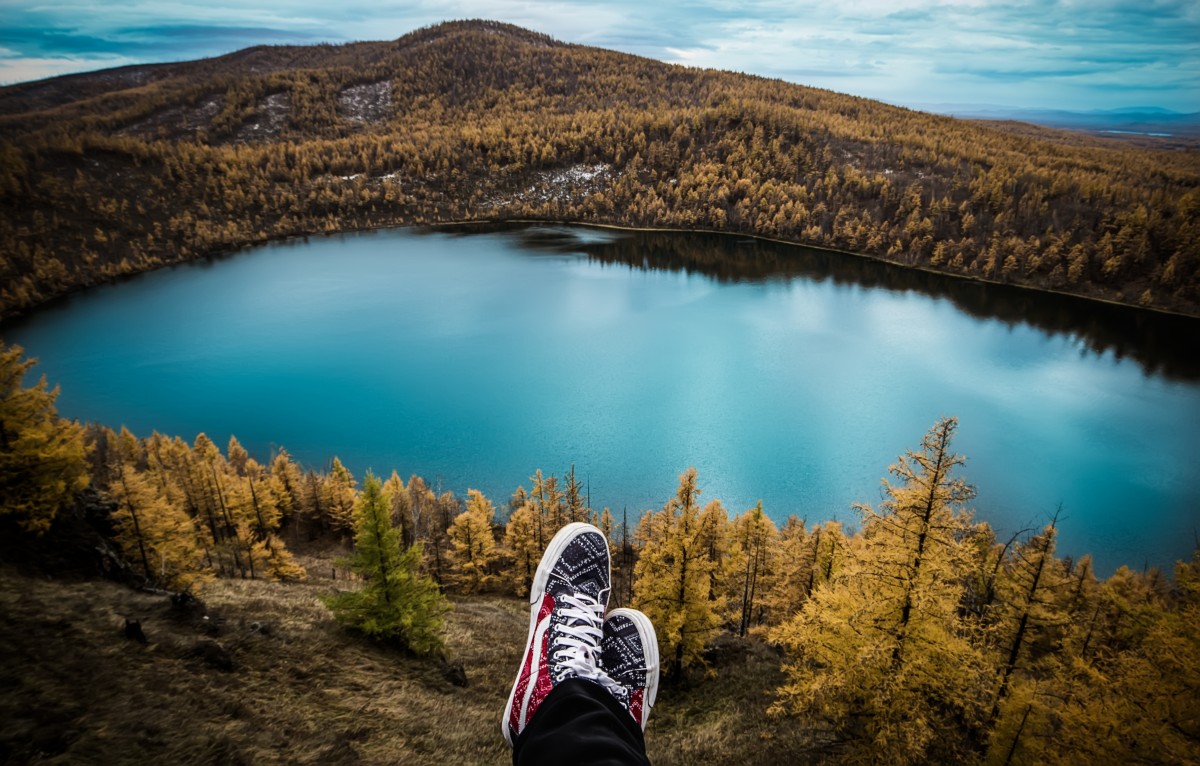

Ethiopia is one of Africa’s most fascinating travel destinations, offering an incredible mix of ancient history, dramatic landscapes, vibrant cultures, and unforgettable adventures. From the rock-hewn churches of Lalibela and the medieval castles of Gondar to the breathtaking peaks of the Simien Mountains and the colorful tribal communities of the Omo Valley, every region offers a completely different experience.
Because Ethiopia’s geography ranges from scorching deserts to cool mountain highlands, packing wisely is essential. Weather conditions can change significantly between destinations, and cultural traditions often require modest clothing, especially when visiting churches and monasteries.
To help you prepare, here’s a complete packing guide for your Ethiopian adventure.
1. Clothing and Footwear
Choosing the right clothing depends largely on where and when you plan to travel.
Lightweight Clothing
If you’re visiting warmer regions such as the Danakil Depression, Awash National Park, or lower-altitude areas, pack lightweight, breathable clothing made from cotton or moisture-wicking fabrics to stay comfortable in the heat.
Warm Layers
Although Ethiopia is located near the equator, many popular destinations sit at high elevations.
Cities like Addis Ababa, Bahir Dar, and trekking destinations such as the Simien Mountains can become surprisingly cool during mornings and evenings.
Pack:
- Lightweight fleece jacket
- Sweater or hoodie
- Light thermal layer (for mountain trekking)
Rain Protection
If you’re traveling during Ethiopia’s rainy season (typically June to September), include:
- Waterproof rain jacket
- Compact travel umbrella
- Quick-drying clothing
Modest Clothing
Ethiopia is culturally conservative, particularly around churches and religious sites.
Pack clothing that covers your shoulders and knees when visiting places of worship.
Women may also find it useful to carry a lightweight scarf to cover their heads in certain religious locations.
Comfortable Footwear
Depending on your itinerary, bring:
- Hiking boots for trekking
- Comfortable walking shoes for sightseeing
- Sandals or lightweight shoes for evenings
2. Travel Documents and Money
Before leaving home, organize all important travel documents.
Carry:
- Passport (valid for at least six months beyond your travel dates)
- Visa or approved eVisa (if required)
- Printed copies of hotel bookings
- Flight confirmations
- Travel insurance documents
- Emergency contact information
Money
Although major hotels and larger businesses accept cards, cash remains important in many parts of Ethiopia.
It’s advisable to carry:
- US dollars or another widely accepted foreign currency for exchange
- Credit or debit cards
- Some local Ethiopian Birr for daily expenses
Keep cash and important documents in separate locations for added security.
3. Health and Safety Essentials
Traveling comfortably means being prepared for minor health concerns.
Pack a small medical kit containing:
- Prescription medications
- Pain relievers
- Adhesive bandages
- Antiseptic wipes
- Motion sickness tablets
- Oral rehydration salts
- Anti-diarrheal medication
Insect Protection
If you’re visiting lower-altitude regions where mosquitoes are common, bring:
- Insect repellent
- Long-sleeved clothing for evenings
- Mosquito bite relief cream
Consult your healthcare provider before departure regarding recommended vaccinations or malaria prevention based on your itinerary.
4. Electronics and Travel Gadgets
The right technology can make your trip much easier.
Essential items include:
- Universal travel adapter
- Power bank
- Smartphone
- Camera
- Extra memory cards
- Charging cables
- Portable hard drive or cloud backup option
If you plan to use mobile data frequently, purchasing a local SIM card can often provide better value than international roaming.
5. Everyday Travel Essentials
These practical items can make daily sightseeing more comfortable.
Consider packing:
- Lightweight daypack
- Reusable water bottle
- Sunglasses
- Sunscreen
- Lip balm
- Hat or cap
- Travel towel
- Wet wipes
- Hand sanitizer
- Reusable shopping bag
If you’re planning long drives or hiking excursions, energy bars, nuts, or trail mix are also useful.
6. Trekking and Outdoor Gear
If your itinerary includes destinations such as the Simien Mountains National Park, you’ll benefit from a few additional items.
Recommended gear:
- Trekking poles
- Hiking socks
- Headlamp
- Refillable water bottles
- Lightweight gloves
- Windproof jacket
- Small dry bag for electronics
Even experienced hikers often underestimate how cool Ethiopia’s mountain regions can become.
7. Cultural and Religious Site Essentials
Ethiopia is home to some of Christianity’s oldest churches and monasteries.
When visiting sacred sites such as Lalibela, Debre Damo, or historic monasteries around Lake Tana, it’s respectful to carry:
- Lightweight scarf or shawl
- Clothing that covers shoulders and knees
- Easy-to-remove shoes, as footwear is often removed before entering churches
Respectful attire is appreciated by local communities and enhances your overall experience.
Additional Packing Tips
To make your trip even smoother, keep these suggestions in mind:
- Pack light if you’ll be traveling between multiple cities.
- Use packing cubes to organize your luggage.
- Leave extra space for Ethiopian coffee, handmade textiles, spices, and traditional crafts.
- Download offline maps before your trip.
- Carry both digital and printed copies of important documents.
- Bring a notebook or travel journal to record memorable experiences.
Things You Can Leave at Home
Avoid overpacking by skipping items that are easy to purchase locally, such as:
- Basic toiletries
- Bottled water (carry a reusable bottle instead)
- Heavy winter clothing unless trekking at high elevations during colder months
- Excessive footwear
Keeping your luggage lighter makes traveling between destinations much easier.
Best Time to Visit Ethiopia
Packing also depends on the season.
- October to February: Cool, dry weather and ideal for sightseeing.
- March to May: Warmer temperatures with fewer tourists.
- June to September: Rainy season, requiring waterproof clothing and footwear.
If you’re planning to attend cultural celebrations such as Timkat (Epiphany) or Meskel, book accommodations early and prepare for larger crowds.
Final Thoughts
Packing wisely can make your Ethiopian adventure far more comfortable and enjoyable. From the historic churches of Lalibela and the breathtaking Simien Mountains to bustling markets, wildlife reserves, and traditional villages, Ethiopia offers an incredibly diverse travel experience that rewards good preparation.
By bringing weather-appropriate clothing, comfortable footwear, essential travel documents, health supplies, and a few practical accessories, you’ll be ready to explore one of Africa’s most culturally rich and naturally beautiful destinations with confidence.
Whether you’re hiking mountain trails, discovering ancient civilizations, or enjoying Ethiopia’s world-famous coffee culture, a well-planned packing list ensures you can focus on making unforgettable memories rather than worrying about forgotten essentials.