
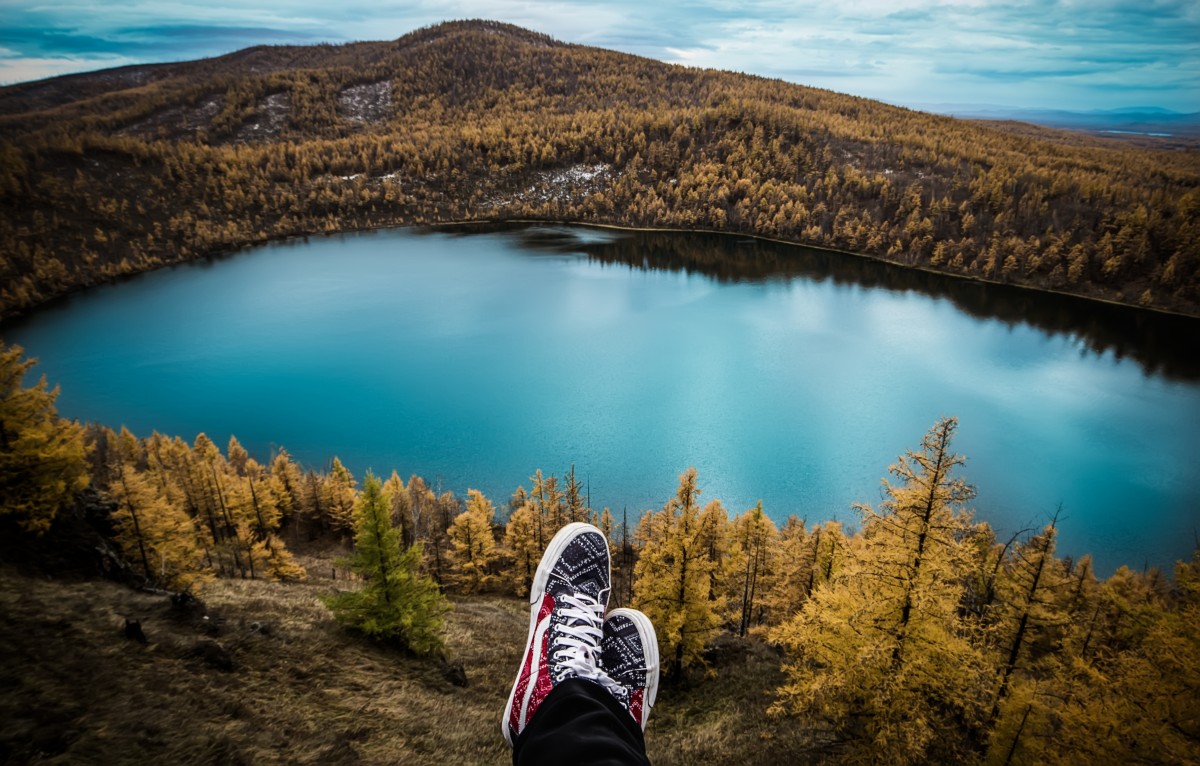

Kazakhstan is a fascinating destination where dramatic landscapes, ancient Silk Road history, and modern cities come together to create a truly unique travel experience. As the world’s largest landlocked country, it stretches across Central Asia and Eastern Europe, offering everything from snow-capped mountains and crystal-clear lakes to vast steppes, colorful canyons, and futuristic skylines.
Despite its enormous size, Kazakhstan remains one of the region’s most underrated destinations. Visitors can enjoy authentic cultural experiences, warm hospitality, affordable travel, and spectacular natural scenery without the crowds found in many popular tourist hotspots.
If you’re planning your first visit, these essential travel tips will help you prepare for a smooth and memorable journey.
1. Understand Visa and Entry Requirements
Before booking your trip, verify the latest entry requirements for your nationality.
Kazakhstan allows visa-free entry for citizens of many countries, while travelers from other nations may need to obtain an electronic visa (eVisa) before arrival.
Since immigration rules can change, always check the latest government travel advisories before departure.
Before traveling, ensure you have:
- A passport valid for at least six months
- Return or onward travel tickets (if required)
- Accommodation confirmations
- Travel insurance documents
- Printed copies of important reservations
Keeping digital backups of your travel documents is also recommended.
2. Learn a Few Local Phrases
Kazakhstan has two official languages:
- Kazakh
- Russian
English is becoming increasingly common in hotels, airports, restaurants, and tourist attractions in cities such as Almaty and Astana (formerly Nur-Sultan). However, in smaller towns and rural regions, English is much less widely spoken.
Learning a few basic greetings can make interactions more enjoyable.
Useful phrases include:
- Hello
- Thank you
- Please
- Yes
- No
- How much?
Locals generally appreciate visitors who make an effort to speak a few words in their language.
3. Know the Local Currency and Payment Options
Kazakhstan’s official currency is the Kazakhstani Tenge (KZT).
Credit and debit cards are widely accepted in shopping malls, hotels, supermarkets, and restaurants within major cities.
However, if you plan to explore remote villages, national parks, or local markets, carrying some cash is highly recommended.
You’ll find ATMs throughout urban areas, making it easy to withdraw local currency after arrival.
4. Plan Transportation in Advance
Kazakhstan covers an enormous geographical area, so planning transportation is important.
Domestic Flights
Flying is the fastest way to travel between major cities such as:
- Almaty
- Astana
- Shymkent
- Aktau
Trains
Kazakhstan’s railway network is extensive and offers an affordable way to experience the country’s vast landscapes.
Long-distance trains are comfortable and remain one of the most popular transportation options among locals.
Buses and Taxis
Intercity buses connect many towns, while ride-hailing apps and taxis are widely available in larger cities.
For exploring remote national parks, renting a car or joining an organized tour may be the most convenient option.
5. Pack for Kazakhstan’s Diverse Climate
Kazakhstan experiences some of the most dramatic seasonal temperature changes in Central Asia.
Winter (December–February)
Northern regions can experience temperatures below −30°C (−22°F).
Pack:
- Thermal clothing
- Insulated jacket
- Gloves
- Winter boots
- Hat and scarf
Summer (June–August)
Southern regions can exceed 40°C (104°F).
Bring:
- Lightweight clothing
- Sunglasses
- Sunscreen
- Hat
- Reusable water bottle
Mountain areas can become cool even during summer, so carrying a light jacket is always a good idea.
6. Respect Local Culture and Traditions
Kazakhstan is known for its welcoming people and strong traditions of hospitality.
Although the country is religiously diverse, Islam is the largest faith, and visitors should dress respectfully when visiting mosques and religious sites.
Some cultural etiquette tips include:
- Remove your shoes when entering someone’s home if requested.
- Accept tea or food when offered, as hospitality is an important cultural value.
- Dress modestly when visiting rural communities or places of worship.
- Always ask permission before photographing local people.
Showing respect for local customs often leads to warm and memorable interactions.
7. Explore Kazakhstan’s Incredible Attractions
Kazakhstan offers an impressive variety of landscapes and historic landmarks.
Some of the country’s most spectacular destinations include:
Charyn Canyon
Often compared to the Grand Canyon, this dramatic landscape features colorful rock formations and breathtaking hiking trails.
Kolsai Lakes
A series of crystal-clear alpine lakes surrounded by forests and mountains, perfect for hiking and camping.
Altyn-Emel National Park
Home to the famous Singing Dune, colorful mountains, and rare wildlife.
Khoja Ahmed Yasawi Mausoleum
A UNESCO World Heritage Site and one of Central Asia’s most important architectural monuments.
Astana
Kazakhstan’s modern capital showcases futuristic architecture, impressive museums, and iconic landmarks such as Bayterek Tower.
Outdoor enthusiasts can also enjoy skiing, horseback riding, mountaineering, and wildlife photography throughout the country.
8. Experience Traditional Kazakh Cuisine
Food is an important part of Kazakh culture, reflecting the country’s nomadic heritage.
Some dishes worth trying include:
- Beshbarmak – Traditional boiled meat served with noodles.
- Kazy – Horse meat sausage prepared for special occasions.
- Baursak – Fried dough often enjoyed with tea.
- Lagman – Hand-pulled noodles with vegetables and meat.
- Manty – Large steamed dumplings filled with meat.
Traditional beverages include:
- Kumis – Fermented mare’s milk.
- Shubat – Fermented camel’s milk.
Vegetarian travelers can find suitable meals in larger cities, although options may be more limited in rural areas.
More Helpful Travel Tips
To make your trip even more enjoyable:
- Download offline maps before traveling to remote regions.
- Carry a portable power bank for long journeys.
- Purchase a local SIM card for affordable mobile data.
- Stay hydrated, particularly during summer travel.
- Book train tickets in advance during holidays and peak travel seasons.
Best Time to Visit Kazakhstan
The ideal time depends on the experiences you’re looking for.
- Spring (April–May): Pleasant weather and blooming landscapes.
- Summer (June–August): Best for hiking, lakes, and national parks.
- Autumn (September–October): Mild temperatures and beautiful scenery.
- Winter (December–February): Excellent for skiing and winter festivals.
Each season offers a completely different perspective of Kazakhstan’s diverse landscapes.
Final Thoughts
Kazakhstan is a destination full of surprises, offering an extraordinary combination of natural beauty, cultural heritage, modern cities, and genuine hospitality. Whether you’re hiking through Charyn Canyon, exploring the turquoise waters of the Kolsai Lakes, admiring the futuristic skyline of Astana, or experiencing the traditions of the ancient Silk Road, every journey through Kazakhstan promises unforgettable memories.
With thoughtful planning, respect for local customs, and a spirit of adventure, you’ll discover one of Central Asia’s most captivating and least-explored countries. If you’re looking for a destination that combines spectacular landscapes, fascinating history, and authentic cultural experiences, Kazakhstan deserves a place on your travel bucket list.