
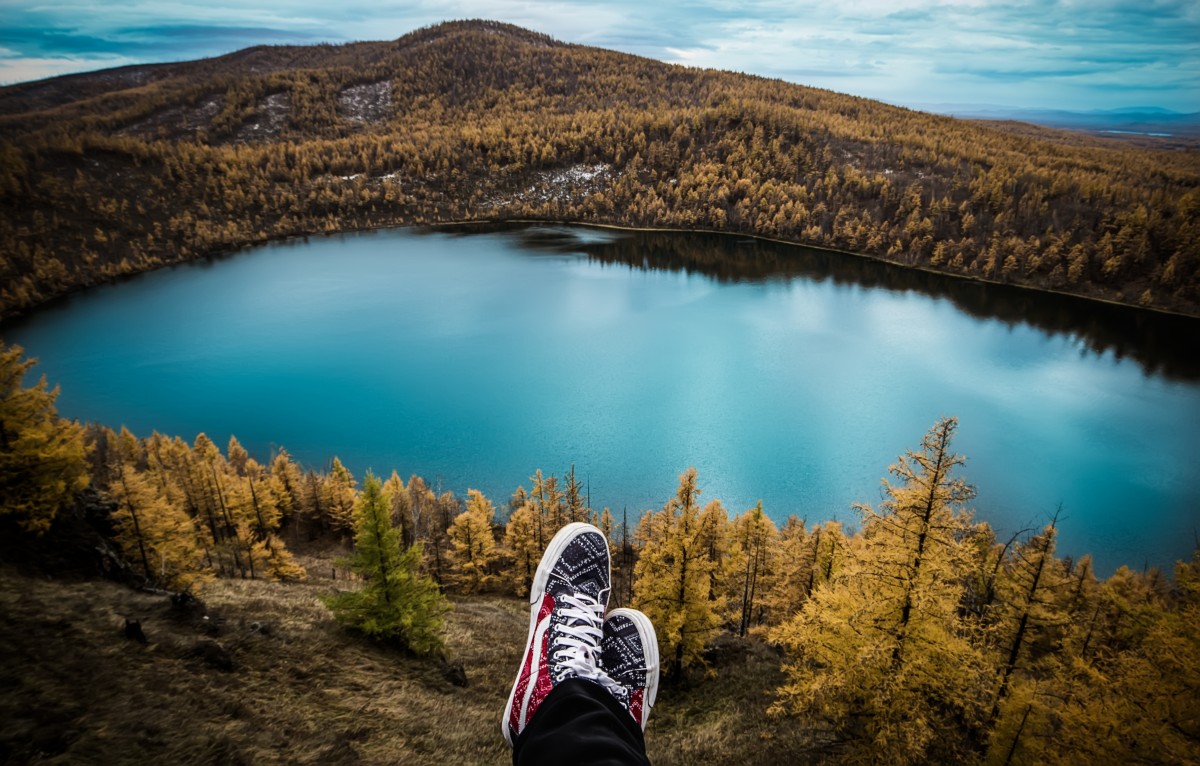

Alaska, often called “The Last Frontier,” is one of the most extraordinary destinations in the United States. Covering more than 663,000 square miles, it is the largest state in the country and offers an unmatched combination of towering mountains, massive glaciers, dense forests, pristine lakes, abundant wildlife, and remote wilderness. Whether you’re dreaming of spotting grizzly bears in their natural habitat, cruising past glaciers, hiking through national parks, or witnessing the magical Northern Lights, Alaska promises an adventure unlike anywhere else on Earth.
However, Alaska is very different from most travel destinations. Its enormous size, unpredictable weather, seasonal attractions, and remote locations require a little extra planning. Knowing what to expect before your trip will help you make the most of your Alaskan adventure.
Here are eight essential things every traveler should know before visiting Alaska.
1. The Northern Lights Are Best Seen During the Colder Months
One of Alaska’s biggest attractions is the spectacular Aurora Borealis, commonly known as the Northern Lights.
Although the lights can technically appear at various times of the year, your best chance of witnessing this incredible natural phenomenon is between late August and early April, when nights are longest and skies are darkest.
Fairbanks is widely considered one of the world’s best locations for aurora viewing thanks to its clear skies and location beneath the auroral oval.
For the best viewing experience:
- Stay away from city lights.
- Check local aurora forecasts.
- Choose nights with clear skies.
- Be patient, as displays vary each evening.
2. Alaska Can Be an Expensive Destination
Traveling through Alaska is an unforgettable experience, but it often comes with a higher price tag than many other destinations in the United States.
Accommodation, guided tours, transportation, and dining can all be relatively expensive, particularly during the busy summer season.
To reduce costs:
- Book flights several months in advance.
- Travel during shoulder seasons.
- Stay in cabins, campgrounds, or vacation rentals.
- Prepare some of your own meals.
- Book combination tour packages whenever possible.
Planning your budget early can help you enjoy Alaska without unexpected expenses.
3. Alaska Is Much Larger Than Most People Imagine
Many first-time visitors underestimate Alaska’s enormous size.
The state is larger than Texas, California, and Montana combined, meaning traveling between destinations often takes much longer than expected.
For example:
- Anchorage to Fairbanks takes around 6–7 hours by road.
- Denali National Park is several hours from Anchorage.
- Many remote towns are accessible only by plane or ferry.
Instead of trying to see everything in one trip, focus on one or two regions to enjoy a more relaxed and rewarding experience.
4. Experience Alaska by Both Land and Sea
One of the best ways to appreciate Alaska’s incredible scenery is by combining both land-based adventures and coastal exploration.
A road trip allows you to discover national parks, mountain landscapes, glaciers, and charming small towns, while a cruise through the Inside Passage offers stunning views of fjords, whales, glaciers, and remote coastal communities.
Popular land experiences include:
- Denali National Park
- Kenai Peninsula
- Seward
- Fairbanks
Popular cruise destinations include:
- Glacier Bay National Park
- Juneau
- Ketchikan
- Skagway
Experiencing both perspectives provides a more complete view of Alaska’s remarkable beauty.
5. The Midnight Sun Is a Summer-Only Wonder
One of Alaska’s most fascinating natural phenomena is the Midnight Sun.
During late spring and summer, especially north of the Arctic Circle, daylight lasts nearly 24 hours. In places like Utqiaġvik (formerly Barrow), the sun remains above the horizon continuously for weeks.
Even in cities such as Fairbanks and Anchorage, summer evenings remain surprisingly bright, giving visitors extra time to hike, fish, kayak, or explore scenic attractions well into the night.
The best time to experience the Midnight Sun is from late May through July.
6. Alaska’s Wildlife Is Incredible—But Always Keep a Safe Distance
Alaska is one of the world’s premier wildlife destinations.
Visitors commonly encounter:
- Grizzly bears
- Black bears
- Moose
- Caribou
- Dall sheep
- Bald eagles
- Wolves
- Sea otters
- Whales
- Puffins
While seeing these animals is exciting, remember that they are truly wild.
Always observe wildlife from a safe distance and never attempt to feed or approach animals.
Joining guided wildlife tours significantly increases your chances of safe and memorable encounters while learning about Alaska’s diverse ecosystems.
7. Book Everything Early During Peak Season
Summer is Alaska’s busiest tourism season, typically from June through August.
Hotels, cruises, train journeys, wildlife tours, fishing charters, and glacier excursions often sell out months in advance.
To avoid disappointment:
- Reserve accommodations early.
- Book popular tours several months ahead.
- Purchase train and cruise tickets in advance.
- Reserve rental cars as soon as your travel dates are confirmed.
Early booking also helps secure better prices and more itinerary options.
8. Dress in Layers Because the Weather Changes Quickly
Alaska’s weather is famously unpredictable.
Even during summer, temperatures can vary dramatically throughout the day depending on altitude, location, rainfall, or coastal winds.
A sunny morning can quickly turn into a chilly afternoon.
Instead of relying on one heavy jacket, wear multiple lightweight layers that can easily be added or removed.
Recommended clothing includes:
- Waterproof outer jacket
- Thermal base layers
- Fleece or insulated mid-layer
- Comfortable hiking boots
- Hat and gloves (even during some summer excursions)
Proper layering ensures comfort regardless of changing conditions.
Bonus Tips for First-Time Visitors
A few additional tips can make your Alaska trip even more enjoyable:
- Carry binoculars for wildlife viewing.
- Download offline maps before entering remote areas.
- Keep bear spray when hiking in designated bear country.
- Always respect local wildlife regulations.
- Bring a quality camera with extra batteries.
- Pack sunscreen—the summer sun can be surprisingly strong.
- Allow extra travel time between destinations.
Best Time to Visit Alaska
The ideal season depends on the type of experience you’re looking for.
Summer (June–August)
- Pleasant weather
- Wildlife viewing
- Glacier cruises
- Hiking
- Midnight Sun
Autumn (September)
- Fall colors
- Fewer crowds
- Northern Lights begin appearing
Winter (October–March)
- Aurora Borealis
- Dog sledding
- Snowmobiling
- Winter festivals
Spring (April–May)
- Melting landscapes
- Wildlife becomes more active
- Lower tourist crowds
Foods You Should Try in Alaska
Alaska’s fresh seafood and local specialties are worth experiencing during your visit.
Popular dishes include:
- Wild Alaskan Salmon
- King Crab
- Halibut
- Reindeer Sausage
- Smoked Salmon
- Fish and Chips
- Alaskan Berry Pie
- Salmon Chowder
- Fresh Oysters
- Birch Syrup Desserts
Many local restaurants also serve farm-to-table dishes featuring regional ingredients.
Packing Checklist for Alaska
Before leaving, make sure you pack:
- Waterproof jacket
- Layered clothing
- Hiking boots
- Gloves and warm hat
- Sunglasses
- Sunscreen
- Insect repellent (summer)
- Reusable water bottle
- Camera with extra memory cards
- Portable power bank
Being well-prepared allows you to enjoy every adventure comfortably.
Final Thoughts
Alaska is unlike any other destination in North America. Its untouched wilderness, towering glaciers, dramatic mountains, extraordinary wildlife, and unique natural phenomena create unforgettable travel experiences throughout every season. Whether you’re chasing the Northern Lights, cruising past massive icebergs, hiking through Denali National Park, or enjoying the endless daylight of the Midnight Sun, every moment in Alaska feels extraordinary.
With thoughtful planning, realistic expectations, and a spirit of adventure, you’ll discover why Alaska continues to inspire travelers from around the world. If you’re looking for breathtaking scenery, outdoor adventure, and unforgettable memories, Alaska truly lives up to its reputation as “The Last Frontier.”